
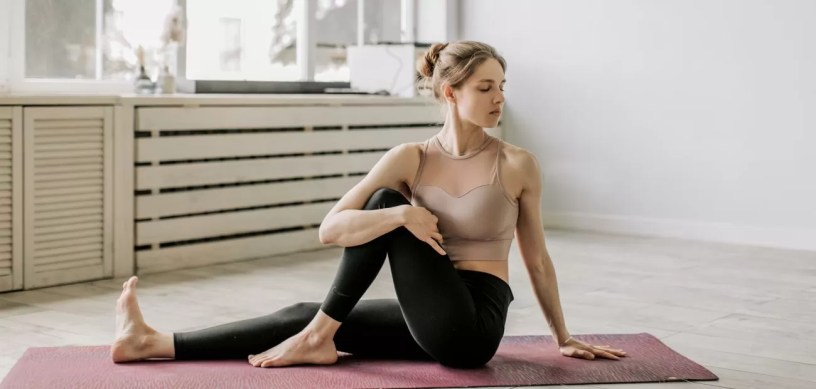
Modern women in Singapore often juggle demanding careers, family responsibilities, digital distractions, and the constant rush of city living. These factors place the body under continuous stress, which can gradually disrupt hormonal rhythm. Hormones affect everything from sleep to digestion to emotional balance, so even small imbalances can influence daily wellbeing. Many women have discovered that guided practice inside a dedicated yoga studio Singapore provides a stable, long term solution for supporting hormonal balance naturally and gently.
Studio based classes offer structure, breathwork, and movement that help regulate the nervous system, stimulate circulation, and support reproductive and metabolic health. When these elements come together, the body gradually returns to a more consistent hormonal rhythm. This article explores how a structured studio environment can become a long term tool for women seeking stability in their physical and emotional cycles.
Understanding Hormonal Rhythm in Women
Hormonal rhythm refers to the natural pattern in which hormones rise and fall throughout the month and across different life phases. In Singapore’s fast paced lifestyle, this rhythm often gets disturbed. Lack of sleep, stress at work, high screen exposure, late meals, and emotional pressure can lead to irregular periods, mood swings, fatigue, and digestive issues.
Key hormones influenced by lifestyle
Several hormones respond directly to daily routines:
-
Cortisol, the stress hormone, spikes when the body feels overwhelmed
-
Oestrogen fluctuates with the menstrual cycle and is sensitive to stress
-
Progesterone supports calmness and sleep
-
Insulin manages blood sugar levels
-
Thyroid hormones influence metabolism and energy
When stress becomes chronic, these hormones stop working in harmony, causing discomfort and unpredictable physical symptoms.
Why a Yoga Studio Helps More Than Casual At Home Practice
While home routines are convenient, they lack the structured environment necessary to create long term hormonal stability. A studio setting offers professional guidance, safe sequencing, and a calm sensory environment that encourages the body to reset its internal rhythm.
Consistent sequencing creates hormonal predictability
A well designed class gradually warms the body, activates key muscle groups, encourages steady breathing, and ends with intentional rest. This predictable structure gently regulates:
-
Heart rate
-
Blood pressure
-
Stress hormone output
-
Nervous system response
Women who practise regularly often notice more stable energy patterns and better sleep within several weeks.
Real time guidance prevents accidental overstimulation
Some movements may place unnecessary strain on the body when done incorrectly. Studio instructors help make adjustments that prevent:
-
Overworking the joints
-
Creating tension in the lower back
-
Triggering shallow breathing
-
Overstimulating the nervous system
These corrections keep the body in a balanced state that supports hormonal stability.
A sensory calm environment reduces cortisol
A studio reduces noise, bright lights, and digital distractions. This controlled environment helps lower cortisol levels faster. When cortisol decreases, other hormones regain space to function normally.
The Connection Between Stress, Breathwork, and Hormonal Balance
Breathwork is one of the most powerful tools for hormonal regulation. The breath communicates directly with the nervous system, which signals the endocrine system to adjust hormone output.
How breathwork resets the body’s systems
-
Slow breathing activates the parasympathetic nervous system
-
The heart rate slows down naturally
-
Cortisol levels drop
-
Muscles loosen
-
Digestion improves
These changes allow reproductive and metabolic hormones to stabilise without forced intervention.
The importance of diaphragm activation
Many women breathe shallowly due to stress or posture habits. Studio instructors encourage diaphragm driven breathing that improves blood flow around the abdominal and pelvic regions. This supports better hormonal circulation and reduces tension in the lower body.
The Role of Specific Poses in Hormonal Regulation
Certain postures support the endocrine glands and promote healthier hormonal output. In a guided studio setting, these poses are incorporated thoughtfully rather than randomly.
Poses that support hormonal balance
-
Hip opening sequences stimulate the reproductive region
-
Chest opening movements improve lung capacity and emotional release
-
Twists encourage detoxification and reduce bloating
-
Inversions improve lymphatic flow and circulation
-
Restorative poses calm the nervous system
Studio instructors sequence these poses in a safe order that allows the body to absorb their benefits without feeling overwhelmed.
The value of rest at the end of each class
Final relaxation helps the body integrate the physical and hormonal benefits of the session. Without this rest period, the system may remain overstimulated, reducing the long term impact of the practice.
How Life Stages Influence Hormonal Needs in Women
Women in Singapore experience different hormonal challenges at each stage of life. Studio based yoga offers adaptable support across all phases.
Young adult women
High academic and career pressure often trigger stress related irregularities. Regular practice improves energy stability, reduces anxiety, and supports a healthier monthly cycle.
Working professionals
Long desk hours, digital exposure, and emotional load place constant demand on the nervous system. Yoga helps regulate:
-
Sleep quality
-
Concentration
-
Mood stability
This indirectly supports oestrogen and progesterone balance.
Mothers
Post pregnancy hormonal shifts can be intense. Studio practice provides strength rebuilding, nervous system reset, and emotional grounding.
Women approaching menopause
Fluctuations during this phase can lead to hot flashes, mood swings, and fatigue. Gentle strength work and mobility routines help stabilise the nervous system and ease transitional symptoms.
The Value of Practising at a Supportive Studio Like Yoga Edition
A dedicated environment such as Yoga Edition offers a steady foundation for hormonal health. The instructors create sequences that balance heat building, stretching, mobility, and rest. This balance helps women regulate their physiological cycles without forcing the body through extreme practices.
The calm ambience within the studio also supports emotional balance. As hormonal shifts can influence mood, the quiet setting helps women find clarity and comfort.
Long Term Benefits of Studio Guided Yoga for Hormonal Rhythm
Women who maintain regular practice often experience:
-
More predictable menstrual cycles
-
Reduced cramps and bloating
-
Improved sleep
-
More stable mood across the month
-
Better digestion
-
Enhanced energy flow
-
Reduced sensitivity to stress
These improvements occur gradually but consistently, creating a long term foundation for hormonal health.
Hormonal balance improves other areas of life
When hormones stabilise, women feel clearer, more patient, and more resilient. This influences work performance, relationships, and overall quality of life.
How to Build a Long Term Routine That Works
A sustainable hormonal balancing routine includes:
-
Two to three studio sessions weekly
-
A mix of calming and strength building classes
-
Evening sessions on stressful days
-
Short breathing exercises at home between sessions
The goal is to create a rhythm the body can trust.
FAQ
Q. How long does it take for yoga to influence hormonal balance?
Most women feel subtle changes within a few weeks, especially in energy and mood. More noticeable changes, such as improved cycle regularity or reduced PMS discomfort, usually appear within two to three months of consistent practice.
Q. Can yoga help with hormonal acne and skin changes?
Yes. Hormonal acne often increases when cortisol levels spike. Studio based practice lowers stress and improves metabolic stability, which can indirectly improve skin clarity over time.
Q. Is yoga suitable during different phases of the menstrual cycle?
Yes, but classes should be selected based on the body’s needs. Gentle classes work well during menstruation, while stronger flows are ideal for the mid cycle phase when energy is naturally higher.
Q. Do I need experience to benefit from hormonal balancing classes?
No. Even beginners can experience improvements because hormonal balance relies more on consistency and breathwork than perfect technique.
Q. Can yoga support women experiencing symptoms of perimenopause?
Yes. Slow mobility, breathwork, and restorative poses help regulate the nervous system and reduce discomfort associated with transitional hormonal changes.
 Fitness & Exercise Blog